Welcome back to my little book series! After sharing 12 Novels I Still Think About, I wanted to continue with the nonfiction books that genuinely changed the way I think.
These aren’t necessarily the most popular nonfiction books I’ve read. Instead, they’re the ones that challenged my assumptions, helped me make wiser decisions, and changed the way I approach everyday life. Whether it’s keeping a home, navigating pregnancy, understanding pain, embracing my introversion, or creating better phone habits, each of these books has left a lasting impact on me.
For each one, I’ve included a brief description followed by my own thoughts about how it changed me. I hope you find one that changes you, too.
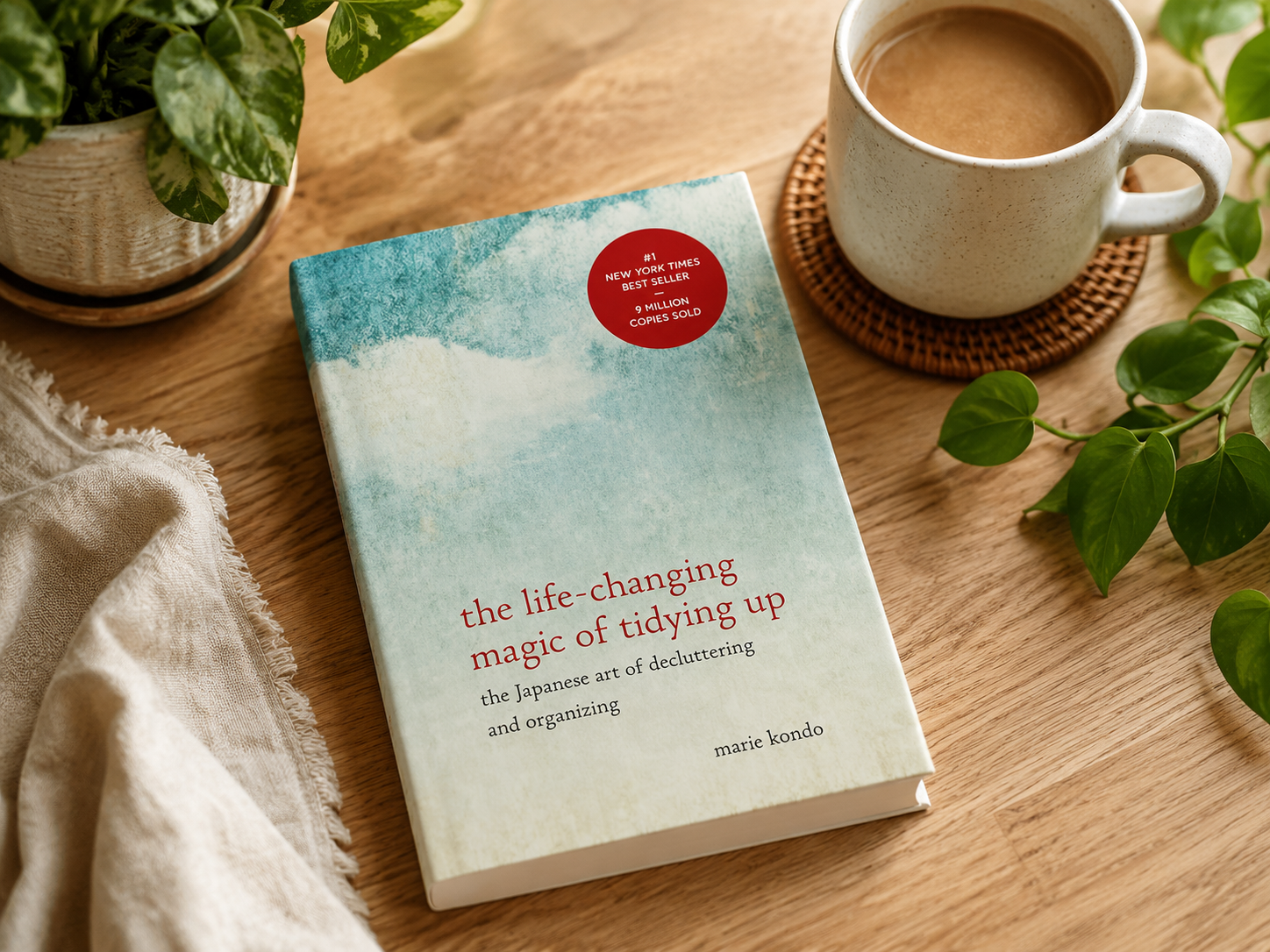
The Life-Changing Magic of Tidying Up by Marie Kondo
Self-Help | Decluttering • Organization • Home • Minimalism
“Despite constant efforts to declutter your home, do papers still accumulate like snowdrifts and clothes pile up like a tangled mess of noodles?
Japanese cleaning consultant Marie Kondo takes tidying to a whole new level, promising that if you properly simplify and organize your home once, you’ll never have to do it again. Most methods advocate a room-by-room or little-by-little approach, which doom you to pick away at your piles of stuff forever. The KonMari Method, with its revolutionary category-by-category system, leads to lasting results. In fact, none of Kondo’s clients have lapsed (and she still has a three-month waiting list).
With detailed guidance for determining which items in your house “spark joy” (and which don’t), this international bestseller will help you clear your clutter and enjoy the unique magic of a tidy home—and the calm, motivated mindset it can inspire.”
How it changed me: This book completely changed how I keep our home! After reading it, I was ruthless with decluttering, and it has been such a game-changer. It’s much easier for me to hold on to the things that truly bring me joy and let go of the rest.
One of the biggest lessons I learned is how often we keep things out of guilt, obligation, or “just in case,” even when they no longer serve us or make us happy. Those items can weigh down your living space without you even realizing it.
Although many people think of this as a book about minimalism, I found it to be much more about understanding yourself and creating a home filled with things you genuinely love. It even changed the way I fold and store our clothes! If you enjoy organizing and decluttering (or if you know you need to, haha!), I definitely recommend giving this book a read.
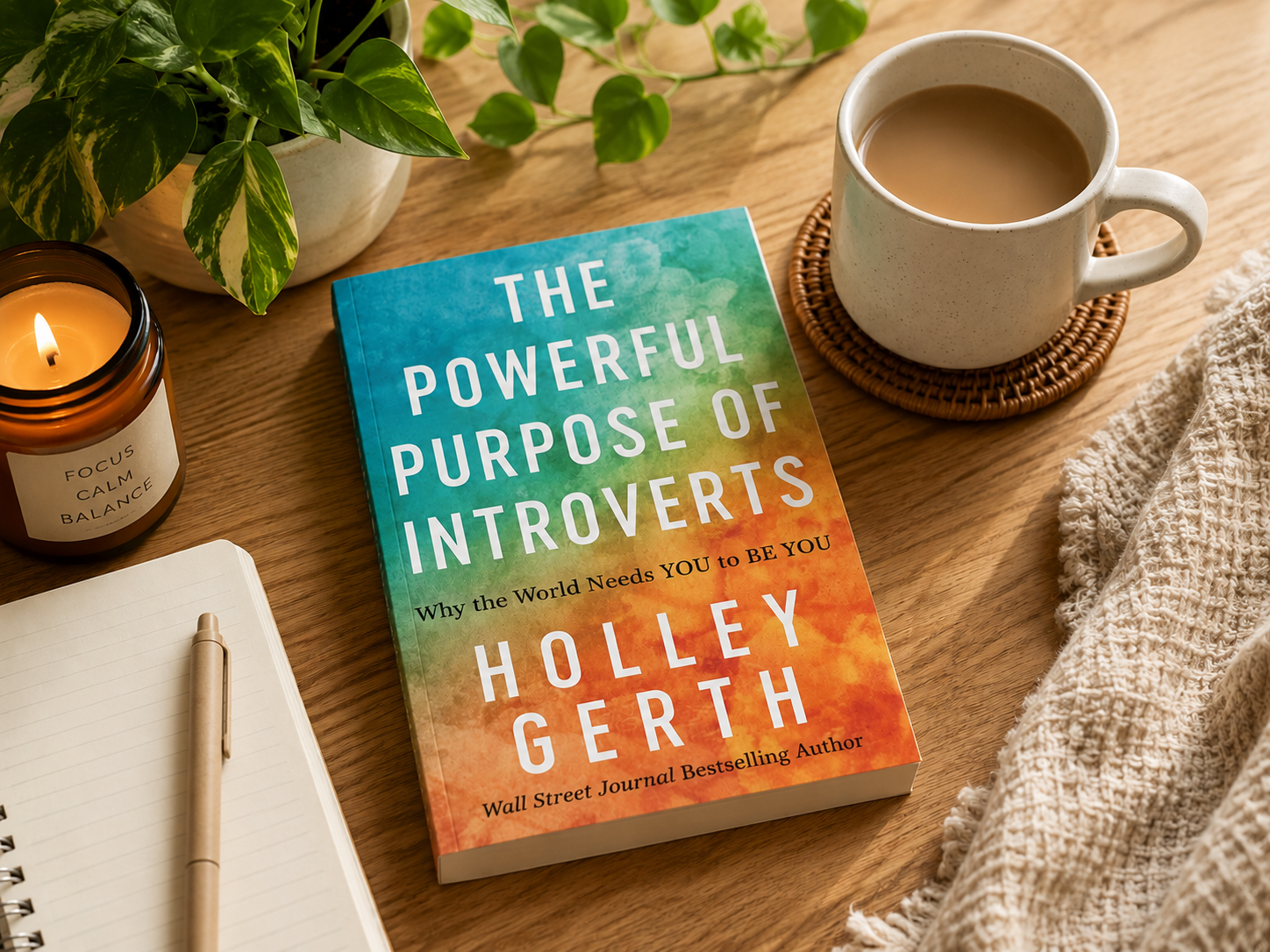
The Powerful Purpose of Introverts by Holley Gerth
Christian Living | Introversion • Personality • Faith • Identity
“Would it surprise you to know that Joanna Gaines, Abraham Lincoln, Albert Einstein, Oprah, Jerry Seinfeld, C. S. Lewis, Max Lucado, and Meryl Streep are all introverts? Even though introverts make up half the population, most people still don’t fully understand what it means to be one.
Research shows the qualities introverts may see as struggles can be their greatest strengths. Introverts don’t need to act more like extroverts to thrive, lead, and make a difference. Instead, they need to truly understand who God created them to be so they can avoid pitfalls like insecurity or anxiety and bravely offer their gifts to the world.
In this transformative book, Holley Gerth dives into the brain science behind introversion to help you understand the psychological, relational, and spiritual aspects of being an introvert. She explores how introverts can make meaningful connections, experience quiet confidence, cultivate soul-filling solitude, exercise unexpected influence, and much more.”
How it changed me: Before reading this book, I spent years feeling guilty for being an introvert. I felt like something was wrong with me because I was exhausted after big social gatherings and craved time alone to recharge. This was especially difficult while serving in ministry, where I sometimes felt like I wasn’t doing enough socially.
This book helped me see my introversion in a completely different light. I learned that God intentionally created each of us with unique personalities and gifts, and that introversion isn’t something to overcome—it’s a strength He can use for His glory. Instead of wishing I were different, I began to appreciate the way God designed me.
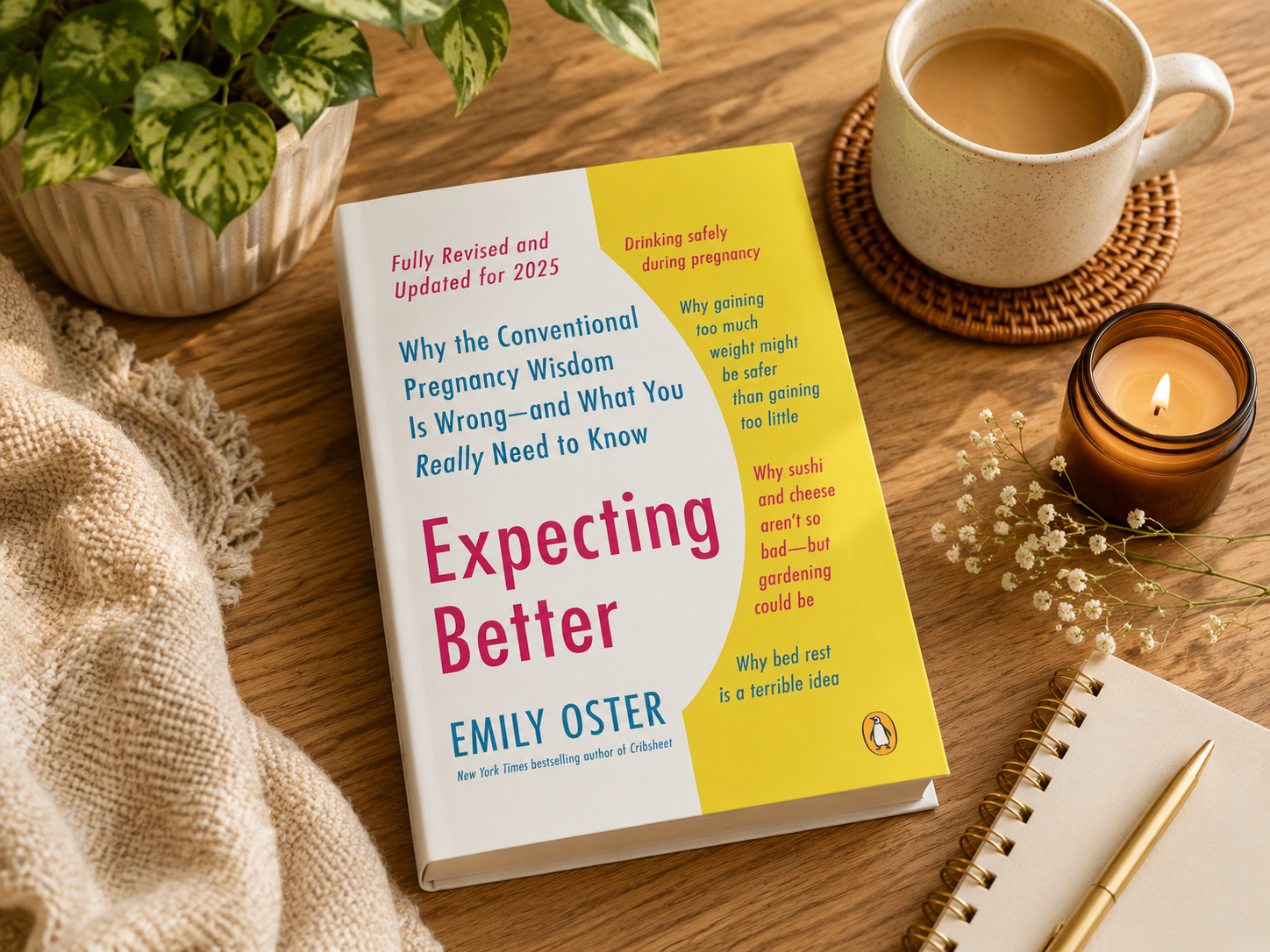
Expecting Better by Emily Oster
Pregnancy & Parenting | Pregnancy • Research • Evidence-Based • Motherhood
“Pregnancy—unquestionably one of the most profound, meaningful experiences of adulthood—can reduce otherwise intelligent women to, well, babies. Pregnant women are told to avoid cold cuts, sushi, alcohol, and coffee without ever being told why these are forbidden. Rules for prenatal testing are similarly unexplained. Parents-to-be desperately want a resource that empowers them to make their own right choices.
When award-winning economist Emily Oster was a mom-to-be herself, she evaluated the data behind the accepted rules of pregnancy, and discovered that most are often misguided and some are just flat-out wrong. Debunking myths and explaining everything from the real effects of caffeine to the surprising dangers of gardening, Expecting Better is the book for every pregnant woman who wants to enjoy a healthy and relaxed pregnancy.”
How it changed me: This is the book I’d recommend to all of my friends who are expecting. There is so much fear wrapped up in pregnancy, so many questions, and more opinions than we know what to do with. What I appreciated most is that Emily Oster wrote this as an economist who was also expecting her first baby. She had genuine questions about pregnancy recommendations and dug into the research to better understand what the data actually showed.
This book gave me confidence to make informed decisions instead of simply operating out of fear. It helped me relax about things like drinking a cup of coffee and eating deli meat, and it encouraged me to think critically about the information I was hearing throughout pregnancy.
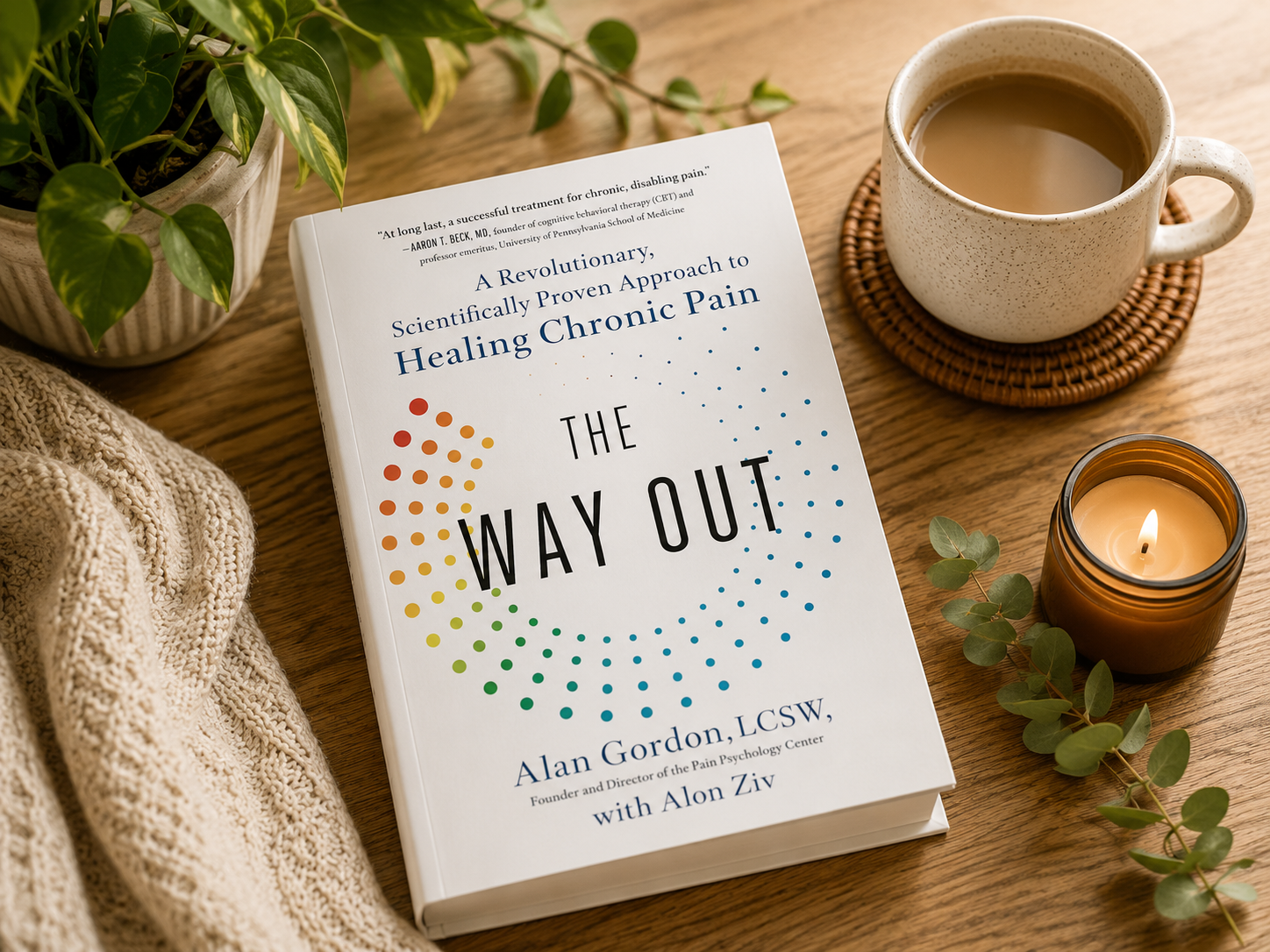
The Way Out by Alan Gordon
Health | Chronic Pain • Neuroscience • Mind-Body • Healing
“Chronic pain is an epidemic. Fifty million Americans struggle with back pain, headaches, or some other pain that resists all treatment. Desperate pain sufferers are told again and again that there is no cure for chronic pain.
Alan Gordon, a psychotherapist and the founder of the Pain Psychology Center in Los Angeles, was in grad school when he started experiencing chronic pain and it completely derailed his life. He saw multiple doctors and received many diagnoses, but none of the medical treatments helped. Frustrated with conventional pain management, he developed Pain Reprocessing Therapy (PRT), a mind-body protocol that eliminated his own chronic pain and has transformed the lives of thousands of his patients.
PRT is rooted in neuroscience, which has shown that while chronic pain feels like it’s coming from the body, in most cases it’s generated by misfiring pain circuits in the brain. PRT is a system of psychological techniques that rewires the brain to break out of the cycle of chronic pain.”
How it changed me: Pain is something all of us experience at some point in life. Before reading this book, I assumed that ongoing pain always meant something in my body was still damaged. The Way Out introduced me to the concept of neuroplastic pain, which is caused by an overactive nervous system rather than an ongoing injury.
Learning the difference between structural pain and neuroplastic pain completely changed the way I approached my own pain. Instead of feeling trapped by it, I began to understand that healing is often about retraining the brain and calming the nervous system—not just treating the body. I would recommend this book to anyone dealing with persistent or chronic pain.
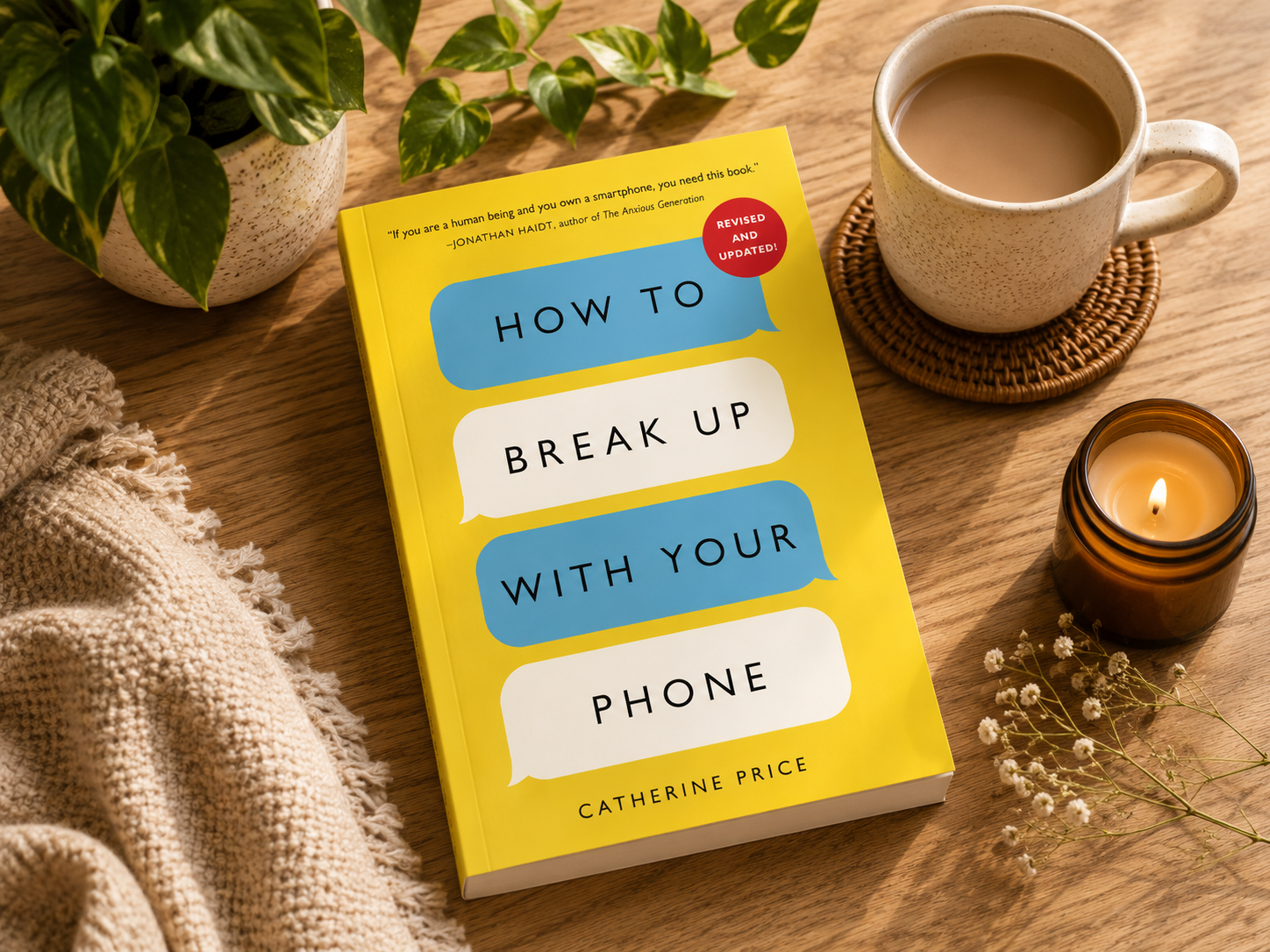
How to Break Up with Your Phone by Catherine Price
Self-Help | Technology • Habits • Digital Wellness • Productivity
“Do you feel addicted to your phone? Do you frequently pick it up “just to check,” only to look up forty-five minutes later wondering where the time has gone? Does social media make you anxious? Have you tried to spend less time mindlessly scrolling—and failed? If so, this book is your solution.
In How to Break Up with Your Phone, award-winning health and science journalist and TED speaker Catherine Price presents a hands-on 30-day digital detox guide to breaking up—and then making up—with your phone. The goal: better mental health, improved screen-life balance, and a long-term relationship with technology that feels good.”
How it changed me: This is one of those books I want to reread every year. It helped me understand why our phones are so addictive, how they’re designed to keep our attention, and what we can do to build healthier habits. The goal isn’t to stop using our phones altogether, but to set healthy boundaries and use them with intention instead of letting them use us.
I finished this book thinking much more carefully about how often I reached for my phone and whether it was helping or hurting the way I spent my time. It’s a book I’d recommend to just about anyone.
I don’t reread many books, but every one of these has earned a permanent spot on my bookshelf for a reason. They have each shaped the way I think in a different area of life, and I still find myself recommending them years after I first read them. If even one of these books encourages you, challenges you, or changes your perspective, I’ll be so glad I shared them.
This little book series is just getting started! Next I’ll be sharing the Christian books that have strengthened my faith over the years. If you enjoy book recommendations, I’d love for you to follow along.
Happy reading! 📚


I need to read more non-fiction books. this is a good, well-rounded list!
I remember years ago when Marie Kondo’s method was gaining a lot of popularity and I was watching a lot of minimalism videos on YouTube. I ended up getting rid of almost all of my clothes and then regretted it when I had nothing to wear. Years later, I will have a piece of clothing pop up in my mind and I will wonder what happened to it, and then remember my “minimalism” rampage haha!
I think decluttering is all about the mindset, which is what my issue was. You can hold onto something for years, and then on the last day of moving, you are just tossing things in the garbage or donate pile and say you’ll buy it again if you need it! I need to check out Marie Kondo’s book and try to declutter again, the right way this time.
Aww, thank you! I used to only read non-fiction and now I think the scales have tipped the past couple of years and I read a lot more fiction. It’s funny how life changes and our interests change!
You had me cracking up about getting rid of your clothes in a rampage! I totally got rid of a few of my husband’s clothes and he still hasn’t forgiven me! I totally agree that decluttering is all about the mindset!